
SONY A7SIII and SONY A7IV
Why are Sony Cameras Special?
Filmmaking is undoubtedly one of the most interesting fields ever seen, encompassing numerous departments such as set designing, writing, photography, videography, production, acting, directing, editing, animation, sound designing, music production, and others. The industry is saturated with various cameras. Each with its own set of specialties and features. Every camera company provides unique features and is a contender for some of the best cameras ever produced. However, Sony cameras, mainly the Alpha 7 series cameras have recently taken independent photographers, videographers, and hybrid shooters by storm. The improved color science, the improved image texture, details, and camera processing have added to the camera’s experience and provide truly mesmerizing and breathtaking images.
What’s Special About Sony Cameras?
Every individual’s camera preference might vary, but personally, the cinematic nature and the exceptional low-light image of the cameras are what attract run-and-gun filmmakers to these cameras. The camera is an ideal choice for several filmmakers by giving them the features that they craved from other cameras, such as exceptional low light, excellent color science, and excellent autofocus.
Sony A7S III- Low Light King and a Filmmaker's Dream
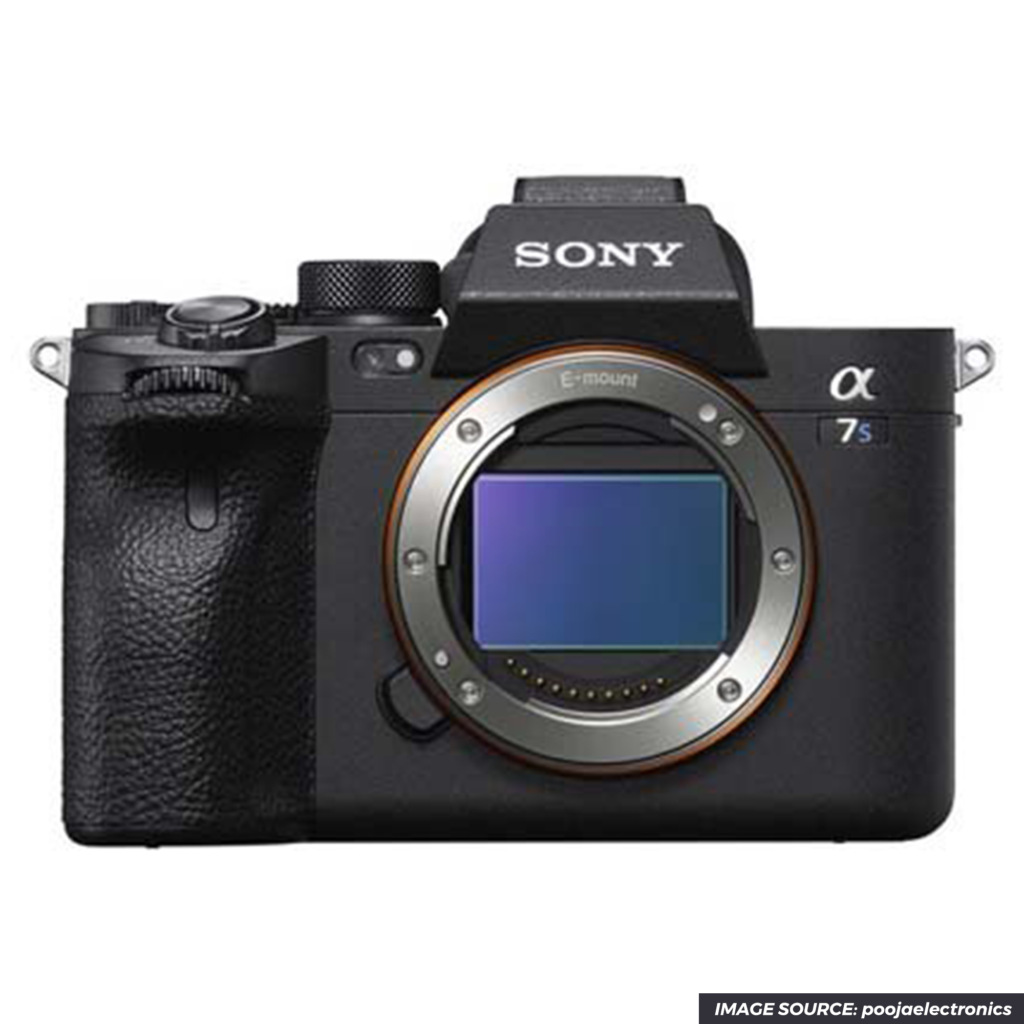
Sony’s A7SIII is not only a low light king but also undoubtedly a capable cinema camera. The camera sports a massive full-frame 12MP sensor and offers 4K at 120 fps. The camera is a powerhouse and an extremely capable machine. It offers excellent 16-bit external RAW recording when using an Atmos Ninja V and also offers 10-bit color internally within the camera, a feature Sony users, filmmakers, and camera enthusiasts have been asking for a long time. This recording machine sports dual Bionz XR processors to enhance image quality and provide unprecedented color at 10-bit codecs. The camera also offers external recording at 16-bit RAW. Sony also offers the S-Cinetone color profile and offers great flexibility to filmmakers to create cinematic videos with the warmth and depth of a movie. This feature enhances creative freedom and allows filmmakers to create cinematic color within the camera.
The buzz of the camera is its low light features and its dual native ISO (though Sony doesn’t flaunt it as a feature). Sony’s A7S line-up has always been a hugely popular camera among filmmakers because of the sheer amount of features the cameras offer.
How Does the Sony A7SIII Stand Up Against the Newly Announced RV?
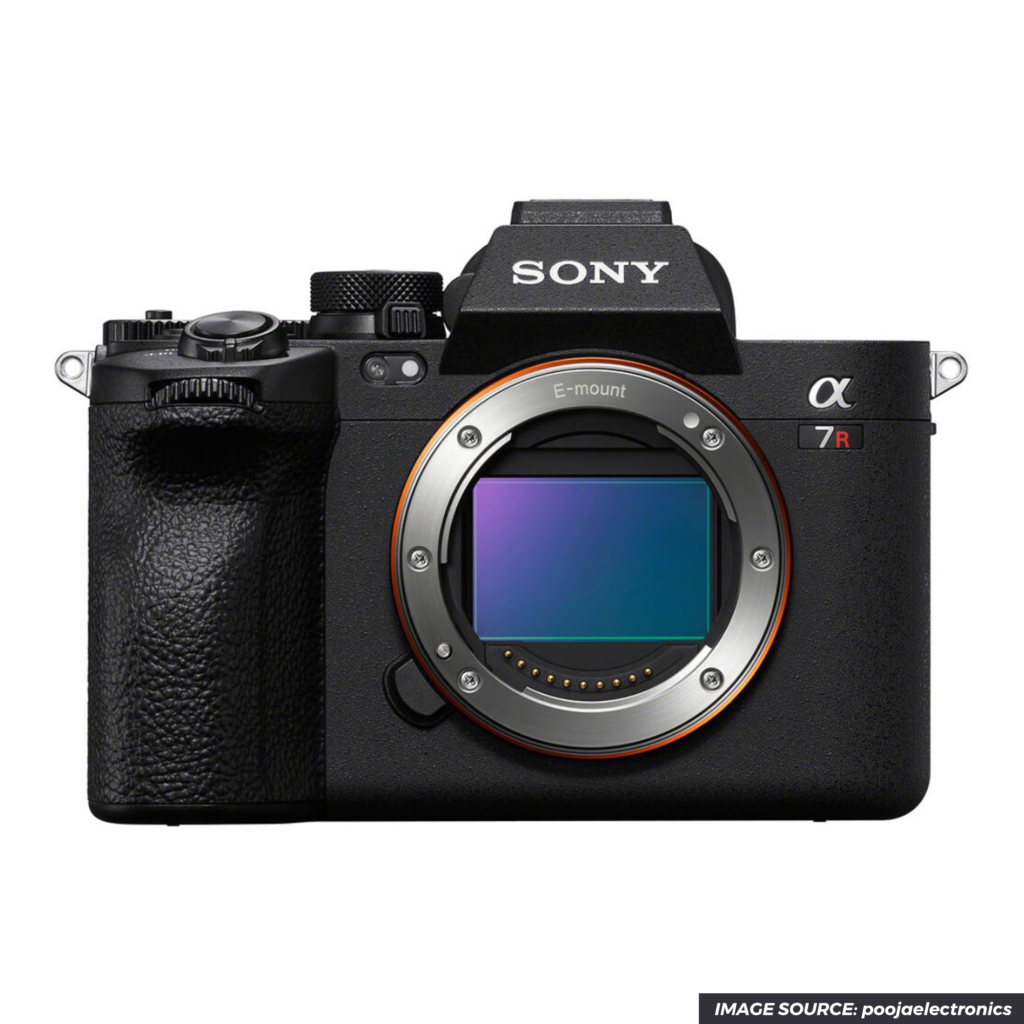
Sony’s latest RV is the latest entry in the Alpha line-up of cameras. So how does the A7SIII stand against this latest offering? Well, for starters, let’s focus on the elephant in the room. The bigger pixel size of the A7SIII. The bigger pixel size is everything that matters in low-light conditions. Despite several pixels and a class-leading on the RV such as AI, higher megapixels, and focus breathing compensation on the A7IV, and others, the A7SIII is rightfully positioned as a low-light champion and might also help during daylight shots. Of course, an argument can be made about the lack of focus breathing compensation or the closed shutter on the A7SIII, it stacks up pretty well when used for low-budget filmmaking or for video aspects. Software updates have always proven to be a bonus for cameras. Even though the software update might not back the closing shutter or the 8 stops of stabilization on the 7SIII, real-life tests by numerous shooters haven’t proven to be beneficial for close distance, which is to say that the stabilization is on par with its previous offerings (Talking about the 7IV).
Concluding Thoughts
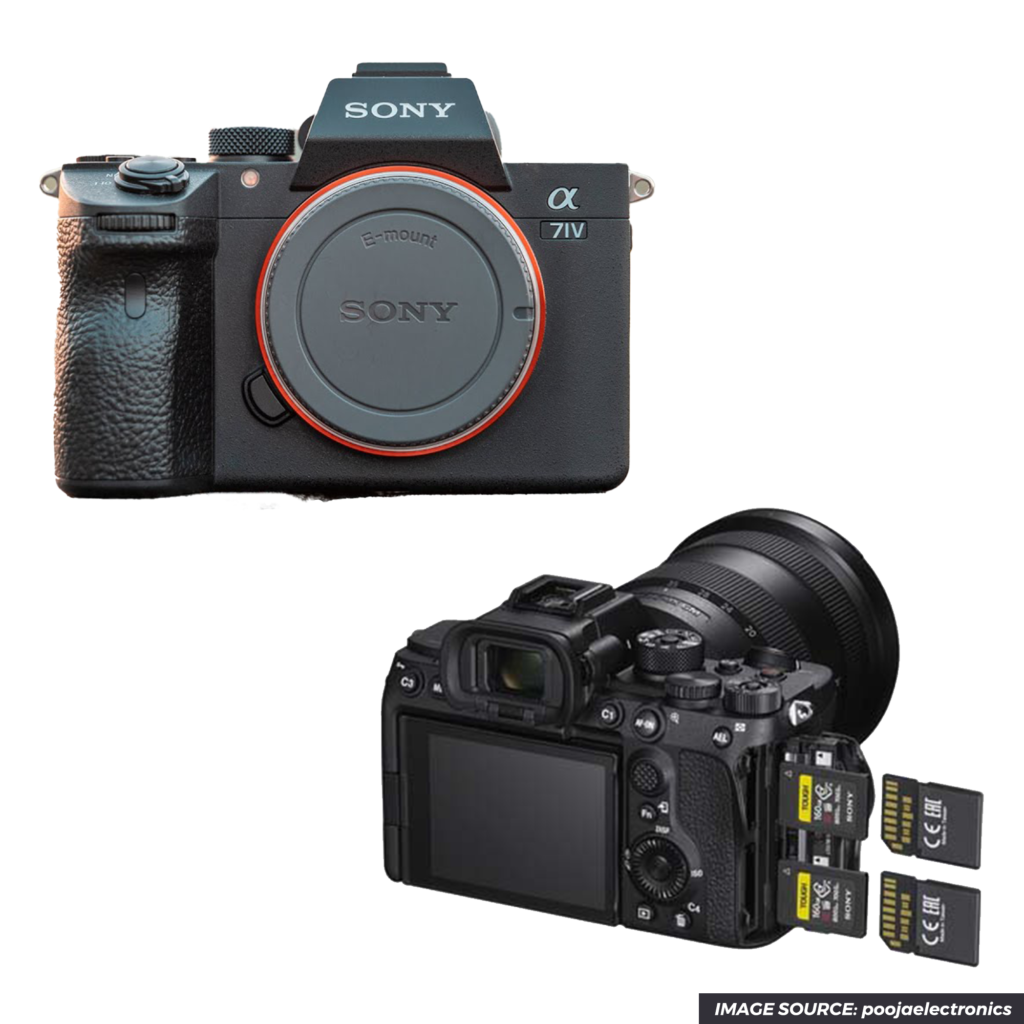
While there are several other offerings in the market, the one aspect backing the A7SIII and 7IV is the sheer amount of usage scenarios for both. While the A7IV and 7SIII have drastic price differences, at least for me, the 7SIII and the 7IV offer many important features that shall soon appear in Sony’s future cameras. It is just a matter of time and an exciting time to experience the latest camera technologies that are more accessible to all filmmakers.
Author: Anirudh G Rao